Days like these the facelessness of trees
is all I want – to see the crowd fade
eyes that roll in sockets, jaws that jabber
complicated symmetries of brows and noses
can all fade into the doesn’t matter.
I only want to talk
with the faceless heads of trees
– the way they hold up proud
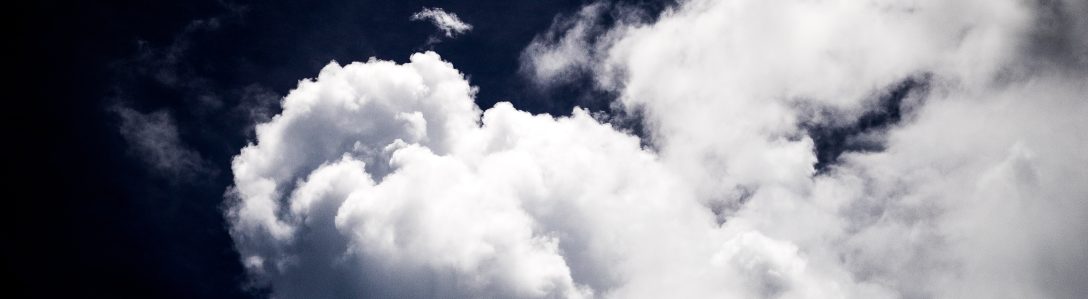
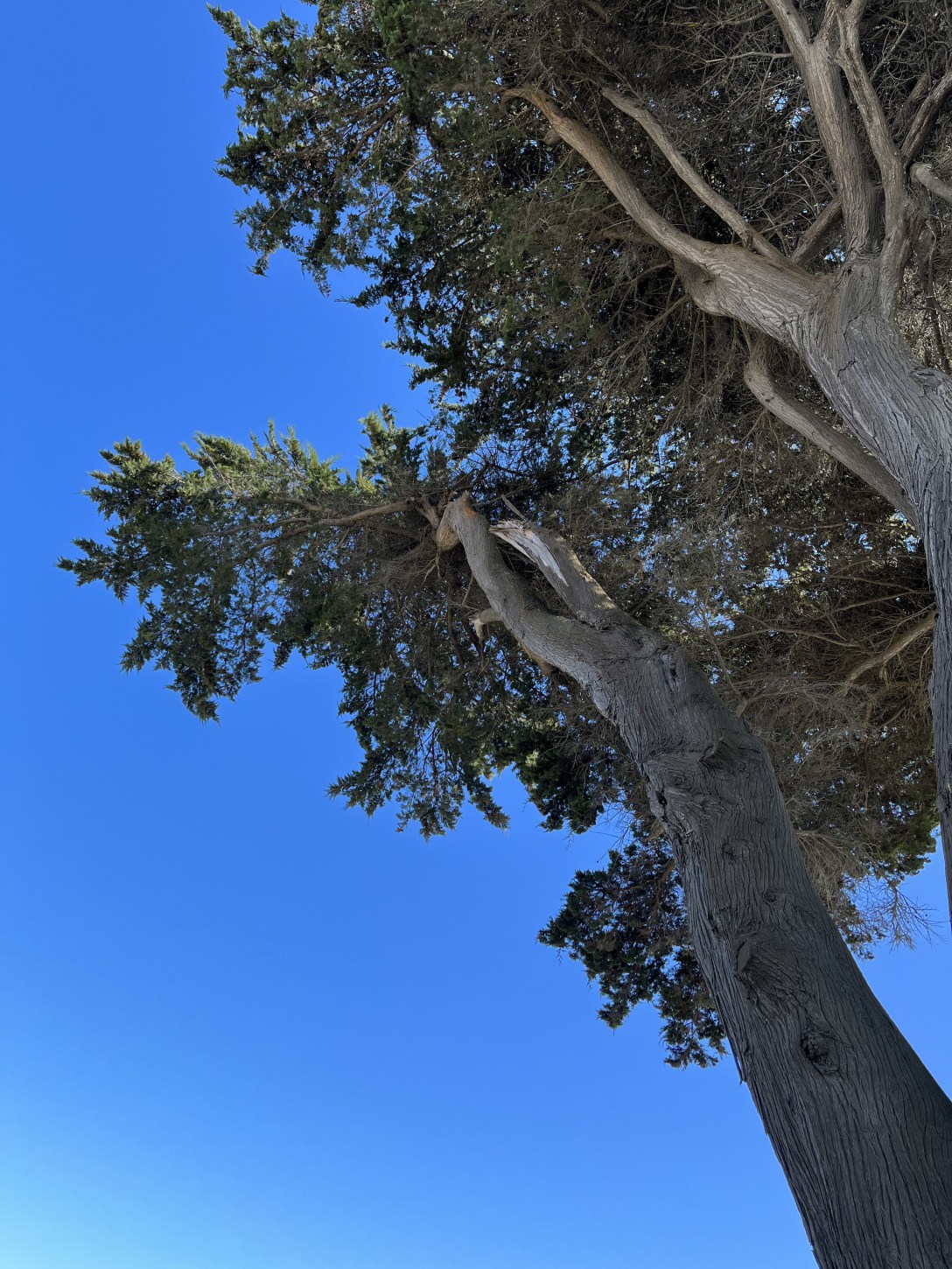
against skies green manes flare on blue
delicate lace of arboreal tentacles
let to drift in wind. Their bodies are
solidity all the time standing their ground
in consecrated symbiosis with this earth here
a relationship tended in leafy sacrament
season after season. There is wisdom
in the faceless ways of trees – somedays
their company,
is all I want or need.
Reading Suggestions
Do you too prefer the company of trees today? If you are stuck indoors but need some nurturance of mother nature – poetry has your back! Mindful reading of nature poetry is a great way to reconnect with the great outdoors. Open a window, pop on some forest or ocean sounds – and relax into some wordful nature! Here are some reading ideas to get your wilderness exploration started:
Classics: Emily Dickinson – in between romancing death and philosophising about grief, it seems Dickinson also spent a lot of time in the woods and her garden. She wrote many nature poems with wit and depth such as “There’s a Certain Slant of Light”, and “Nature is What We See”. It is “old worldly” but she keeps it crisp. Ted Hughes “The Hawk in the Rain” is a brilliantly moody poem. Mary Oliver’s long career of nature poetry (many books from 1960’s to present times) is all inspired by her daily walks in the wilderness. It is lovely gentle reading great for a sick day – I’m fond of “The Swan”. Sylvia Plath’s “The Moon and the Yew Tree” is hauntingly beautiful (and very sad). D.H. Lawrence’s collection “Birds, Beasts, and Flowers” delivers as the title promises. Modern and informal compared to his earlier works. “Snake”, the tortoise poems, and “Hummingbird” are wonderfully observant. Mary Webb was writing nature poetry at the turn of last century but it’s very accessible – it reads as classic and insightful rather than old fashioned. I love “Presences”.
Local Contemporaries: Dinah Hawkens recent book “Sea-Light”, David Eggleton known for punchy snapshots of NZ culture also gives gorgeous portraits of NZ scenery i.e. “Southern Embroidery”, “The Harbour”.
There are some great anthologies of nature poems by a variety of authors. The ones I have seen tend to be focussed on classic authors. Perhaps reflecting that nature themes were out of literary fashion in modern times. That seems to be changing with the relevance of climate change, as well as a contemporary desire to reconnect to nature.
If you have been reading some nature poetry, I would love to hear your recommendations – especially for poetry blogs.
Next “Staircase” post, I will be giving some tips on journal writing for self-care.
Lee x
Ps – apologies if you received an earlier unfinished edit of this post (interface difficulties!).
 Sky House Poetry